



ENTER THE WORLD OF COLINE
Stay up to date on events, collections and exclusive news

The world of interior design is in a constant state of evolution, yet one style continues to remain at the forefront of modern living: contemporary design. Characterized by a perfect balance between innovation and tradition, contemporary interiors embrace cutting-edge aesthetics while maintaining a timeless appeal. This fusion of past and present creates spaces that feel fresh yet familiar, sophisticated yet comfortable.
But what exactly defines contemporary style? How does it achieve the harmony between modern innovation and classic tradition? In this article, we will explore the fundamental principles of contemporary interior design, its key elements, and how you can incorporate this refined aesthetic into your home.
Contemporary design is often mistaken for modern design, but the two are distinct. While modern design refers to a specific period (the early-to-mid 20th century), contemporary design is ever-evolving, reflecting current trends while drawing inspiration from various design movements.
Unlike strict minimalism or purely traditional decor, contemporary interiors embrace a fluid and adaptable approach. They blend clean lines and simplicity with rich textures and carefully curated details, resulting in spaces that are both functional and visually striking.
To create a successful contemporary space, it is essential to understand the core principles that define this style:
Contemporary interiors seamlessly integrate new materials, smart technology, and bold aesthetics with classic design elements such as natural wood, elegant textiles, and timeless furniture silhouettes.
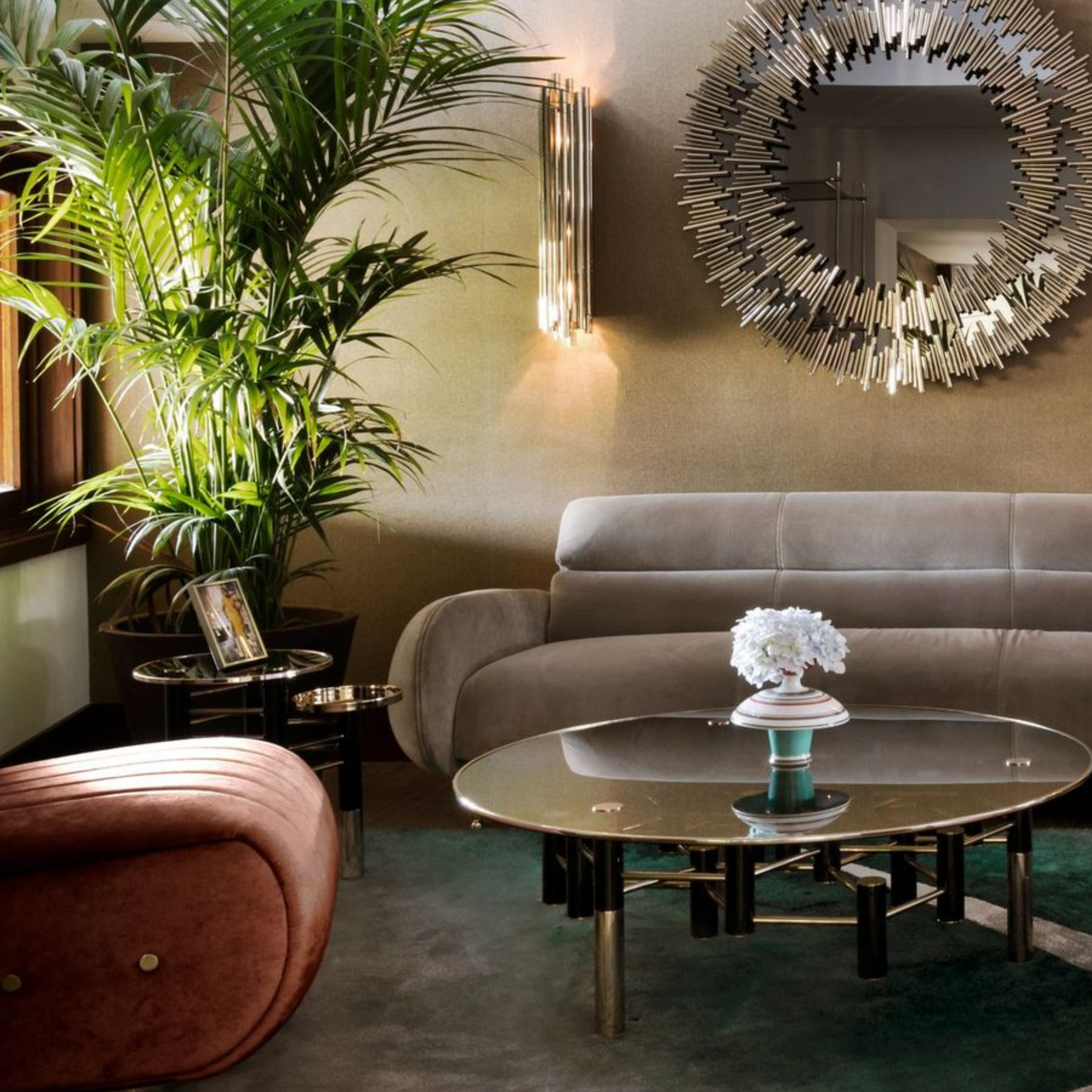
While contemporary spaces often embrace minimalism, they are never sterile or cold. Thoughtful design choices, such as statement lighting, unique textures, and striking artwork, add personality and warmth.
Contemporary interiors often favor neutral and muted tones, with occasional pops of color to create contrast and visual interest. Soft greys, warm beiges, and deep charcoals serve as a refined backdrop for curated furnishings and decor.
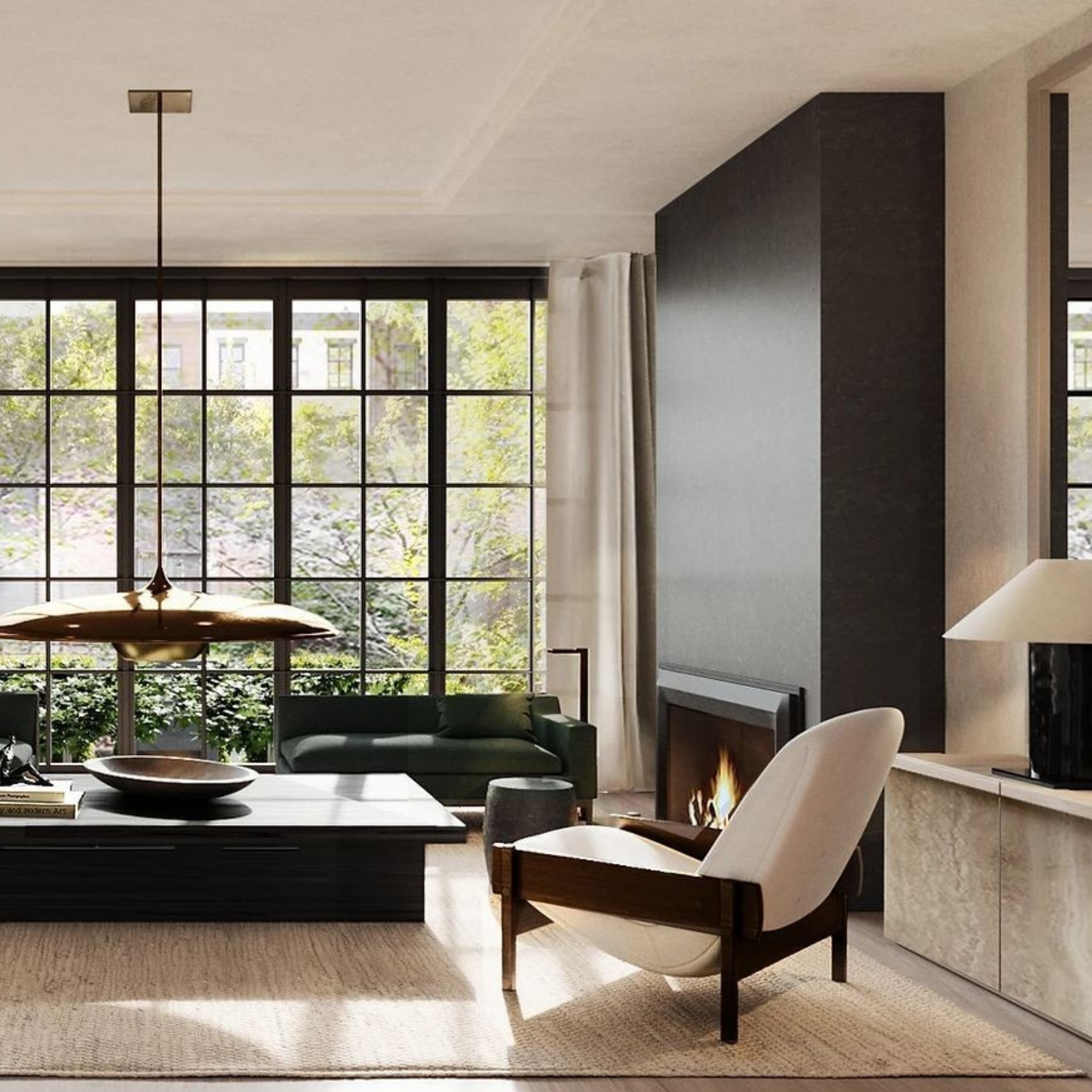
One of the hallmarks of contemporary design is an open, fluid layout that enhances natural light and promotes effortless movement throughout the space. This often involves large windows, seamless transitions between rooms, and strategic placement of furniture.
Contemporary design thrives on a blend of different materials. Glass, metal, and concrete provide an industrial touch, while wood, leather, and plush fabrics introduce warmth and comfort.
Furniture in contemporary interiors tends to feature sleek, well-defined silhouettes without excessive ornamentation. Sofas, tables, and chairs often have simple yet elegant forms, allowing the focus to remain on quality and craftsmanship.
Lighting plays a crucial role in contemporary spaces. Oversized pendant lights, sculptural floor lamps, and recessed lighting create ambiance and highlight architectural features. LED technology is often used to add innovative and energy-efficient lighting solutions.
Contemporary interiors frequently use artwork as a central element of design. Large-scale paintings, bold photography, and abstract sculptures inject personality and serve as conversation pieces.
Storage is an essential part of contemporary living, with built-in shelving, sleek cabinetry, and multifunctional furniture ensuring a clutter-free space while maintaining a polished look.
Contemporary homes often incorporate large glass doors, open terraces, and natural materials to create a harmonious flow between indoor and outdoor environments. This enhances the feeling of openness and invites natural light into the space.
Contemporary design embraces cutting-edge technology and innovative solutions to enhance comfort and convenience. Here’s how modern advancements contribute to this aesthetic:
From automated lighting and climate control to voice-activated assistants and smart appliances, contemporary spaces utilize technology to create a seamless and efficient living experience.
Sustainability is a key factor in contemporary interiors. Reclaimed wood, energy-efficient lighting, and eco-friendly materials are used to reduce environmental impact while maintaining a stylish and sophisticated aesthetic.
Advancements in material technology allow for the use of high-performance surfaces such as quartz countertops, composite woods, and sustainable fabrics that offer durability without compromising on elegance.
As modern lifestyles continue to evolve, contemporary interiors are designed with adaptability in mind. Modular furniture, movable partitions, and multipurpose spaces allow for greater flexibility and functionality.
While contemporary design embraces modernity, it does not discard tradition. Instead, it integrates classic elements to create a harmonious blend of past and present. Here’s how:
Natural stone, fine wood, and handwoven textiles add a sense of history and craftsmanship to contemporary interiors, ensuring that the space remains inviting and authentic.
Traditional furniture styles, such as mid-century modern chairs or antique-inspired tables, can be seamlessly incorporated into contemporary spaces by updating them with fresh fabrics or modern finishes.
In homes with historical elements, contemporary design can enhance rather than erase architectural character. Exposed wooden beams, original brick walls, or vintage moldings can be preserved and integrated into the overall aesthetic.
While contemporary interiors often lean towards minimalism, layering textures, incorporating handmade objects, and using warm lighting can create an atmosphere that feels both modern and inviting.
Bringing contemporary design into your home doesn’t require a complete overhaul. Here are some simple yet impactful ways to achieve the look:
Use a palette of soft neutrals as the foundation of your design. This allows for flexibility when adding accents and decor.
Choose well-crafted furniture with clean lines and high-quality materials. Opt for timeless pieces that balance form and function.
Introduce modern lighting fixtures that serve both a functional and decorative purpose. Consider LED track lighting, statement pendant lights, or sculptural floor lamps.
Declutter your rooms and allow for open, breathable layouts. Remove unnecessary furniture and focus on creating a sense of flow between different areas.
Select bold, contemporary artwork to serve as a focal point in your space. Sculptural decor and geometric accessories can add depth and interest.
The contemporary style represents a perfect balance between innovation and tradition, offering a fresh yet timeless approach to interior design. By combining clean lines, high-quality materials, innovative technology, and classic influences, contemporary interiors create an environment that is both stylish and functional.
Whether you’re looking to redesign your entire home or simply update a few elements, embracing contemporary design ensures a sophisticated and adaptable space that will remain relevant for years to come. With its seamless blend of past and present, contemporary style is more than just a trend—it’s a philosophy that celebrates both heritage and progress in the world of interior design.
Tags: